2025 - Ridgewood Nepalese Society

Year: 2025

67

TOWN HALL MEETING – Invitation

नेपाली अमेरिकी समुदाय संगठनहरूको सहकार्यमा, रिजउड नेपाली समाज (RNS) ले 2026 को श्री स्वस्थानी व्रत कथा (New York Swasthani Mahotsav 2026) लाई सफल र प्रभावशाली रूपमा आयोजना गर्न सामुदायिक सुझाव, सहभागिता र सहयोग प्राप्त गर्ने उद्देश्यले Town Hall Meeting आयोजना गरेको छ।

 यस महत्वपूर्ण बैठकमा तपाईँको सुझाव, सहभागिता र उपस्थिति हाम्रो लागि अत्यन्त मूल्यवान हुनेछ।

 Date: December 21, 2025 (Sunday)

 Time: 2:00 PM – 4:00 PM

 Venue: Durga Temple / Nepali Community & Cultural Center
(16-62 Stephen St, Ridgewood, NY 11385)

यस बैठकमा महोत्सवको सम्पूर्ण तयारी, समितिहरूको संरचना, भूमिकाहरू, स्वयंसेवक संलग्नता तथा सामुदायिक सहभागिताका विषयमा विस्तृत छलफल गरिनेछ।

 सबै समुदाय सदस्यहरूलाई अनिवार्य सहभागिता का साथ उपस्थित भई आफ्नो सुझाव, विचार र समर्थन प्रदान गर्न हार्दिक अनुरोध गर्दछौँ।

 हाम्रो साँस्कृतिक, हाम्रो पहिचान।
“समुदायको आवाज—समुदायकै सहभागिता।”

Ridgewood Nepalese Society (RNS)

Contact for More Information:
RNS President: Rajesh Bhatta 718-404-4501/ Program Chair: Uddab Shastri 615-439-7798/ Program Coordinator: Amit P. Shah 347-863-6058

🎉 हार्दिक बधाई तथा शुभकामना! 🎉

🕉️ New York Swasthani Mahotsav 2026 (श्री स्वस्थानी व्रत कथा)

नेपाली अमेरिकी समुदाय संगठनहरूको सहकार्यमा, रिजउड नेपाली समाज (RNS) ले सन् 2026 को New York Swasthani Mahotsav (श्री स्वस्थानी व्रत कथा) आयोजना गर्ने भएको छ।

📅 जनवरी 3 देखि फेब्रुअरी 1, 2026 सम्म
📍 Durga Temple तथा New York Nepali Community & Cultural Center, Ridgewood, NY मा सञ्चालन हुने यो एकमहिने ऐतिहासिक महोत्सवले नेपाली परम्परा, संस्कृति, आध्यात्मिकता र सामुदायिक एकतालाई प्रवर्द्धन गर्ने महत्वपूर्ण अवसर प्रदान गर्नेछ।

यसै सन्दर्भमा, RNS ले महोत्सवको सफल आयोजना तथा सञ्चालनका लागि निम्न व्यक्तिहरूलाई विभिन्न समिति संयोजकको रूपमा नियुक्त गरेको घोषणा गर्दछ। हाम्रा सबै संयोजकहरूको अनुभव, नेतृत्व र योगदानलाई उच्च सम्मान गर्दै, यस महत्वपूर्ण जिम्मेवारीका लागि हार्दिक बधाई तथा शुभकामना व्यक्त गर्दछौँ।

🏆 महोत्सव समिति संयोजकहरू (उल्लेखनीय योगदानसहित):

🔸 गुरु दीपक खरालज्यू – कथा–वाचन तथा पूजा समिति संयोजक
धार्मिक ज्ञान, विधि–विधानमा गहिरो पकड तथा समुदायप्रतिको समर्पणमार्फत सम्पूर्ण कथा–वाचन, पूजा र अनुष्ठानलाई मर्यादित, सफल तथा आध्यात्मिक रूपमा समृद्ध बनाउने जिम्मेवारी।

🔸 श्री अमित प्रताप शाहज्यू – कार्यक्रम संयोजक
अनुभवी नेतृत्व, सुदृढ योजना र प्रभावकारी समन्वय क्षमताद्वारा महोत्सवलाई सुव्यवस्थित, सहभागीमैत्री र प्रभावशाली बनाउने महत्वपूर्ण योगदान।

🔸 श्री तुलसी आचार्यज्यू – वित्त समिति संयोजक
भरोसामन्द नेतृत्व, पारदर्शिता र वित्तीय अनुशासनमार्फत महोत्सवलाई आर्थिक रूपमा सुदृढ र व्यवस्थित बनाउने जिम्मेवारी।

🔸 श्री फर्शु राम पन्थीज्यू – बाह्य समन्वय तथा जनसम्पर्क समिति संयोजक
सशक्त संचार कौशल, समुदायसँगको पहुँच र अनुभवमार्फत महोत्सवको प्रचार–प्रसार, सहभागिता र प्रभावशीलता अभिवृद्धि गर्ने जिम्मेवारी।

🔸 श्रीमती सुनिता भण्डारीज्यू – कर्त्ता तथा स्थल व्यवस्थापन समिति संयोजक
उत्कृष्ट व्यवस्थापन क्षमता, अनुशासन र समर्पणका साथ स्थल व्यवस्थापन, स्वागत तथा दैनिक कार्यक्रम सञ्चालनलाई सुव्यवस्थित बनाउने जिम्मेवारी।

🔸 श्री गोपी ढुंगानाज्यू – भजन–कीर्तन समिति संयोजक
भक्तिभाव, संगीतप्रतिको समर्पण र नेतृत्वमार्फत महोत्सवलाई आध्यात्मिक तथा सांस्कृतिक रूपमा अझ समृद्ध बनाउने जिम्मेवारी।

🔸 श्री अमर अधिकारीज्यू – यातायात तथा लजिस्टिक्स समिति संयोजक
आवागमन व्यवस्थापन, सामग्री आपूर्ति तथा लजिस्टिक्स समन्वयमार्फत महोत्सवलाई सहज र व्यवस्थित रूपमा सञ्चालन गर्न महत्वपूर्ण योगदान।

🔸 अनुप शर्माज्यू – प्रविधि तथा सामाजिक सञ्जाल समिति संयोजक
आधुनिक प्रविधि, डिजिटल प्लेटफर्म र सामाजिक सञ्जालको प्रभावकारी प्रयोगमार्फत महोत्सवको सूचना प्रवाह, प्रचार–प्रसार र अनलाइन सहभागिता सुदृढ बनाउने जिम्मेवारी।

🔸 श्री रामकृष्ण बरतौलाज्यू – स्वयंसेवक समिति संयोजक
स्वयंसेवकहरूको परिचालन, तालिम, समन्वय र व्यवस्थापनमार्फत महोत्सवलाई सेवामुखी, अनुशासित र प्रभावकारी रूपमा सञ्चालन गर्ने जिम्मेवारी।

🔸 श्री राजेश भट्टज्यू – अध्यक्ष / सम्पूर्ण कार्यक्रम समन्वय
सम्पूर्ण महोत्सवको नेतृत्व, दीर्घदृष्टि, मार्गदर्शन र समग्र समन्वय सुनिश्चित गर्दै कार्यक्रम सफल बनाउन महत्वपूर्ण योगदान।

🙏 सम्पूर्ण नेपाली–अमेरिकी समुदायलाई यस धार्मिक, सांस्कृतिक तथा आध्यात्मिक महोत्सवमा सहभागी भई कार्यक्रम सफल बनाउन हार्दिक आमन्त्रण गर्दछौँ।

हाम्रो संस्कृति, हाम्रो पहिचान। समुदायको आवाज, समुदायकै सहभागिता।

दुर्गा मन्दिर तथा नेपाली सामुदायिक केन्द्र पुनर्निर्माणको अन्तिम चरणका लागि तपाईंको अमूल्य सहयोगको हार्दिक अनुरोध।

आदरणिय आमावुवा दाजुभाई एवं दिदीबहिनीहरुमा नमस्कार ।

दुर्गा मन्दिर एवं नेपाली सामुदायिक तथा साँस्कृतिक केन्द्र (Durga Temple and Nepalese Community and Cultural Center - DTNCC) को भवन (1662 Stephen St, Ridgewood NY 11385) पुननिर्माणको कार्य अन्तिम चरणमा रहेको यहाँहरु सबैमा जानकारी गराउंदछौं ।

पुननिर्माणको कार्यको लागि अहिले हामिहरुलाई रकम अभाव भएको हुनाले पुरानो बोलकबुल गर्नुभएको दाताहरुले बाँकि दान रकम तथा नयाँ एवं थप दान गर्न चाहनुहुने दाताहरुले यथाशक्य दान रकम उपलब्ध गराइदिनुहुन विनम्र अनुरोध गर्दछौं ।

दान गर्न इच्छुक दाताहरुले यस कार्यसमितिका सदस्यहरुलाई सम्पर्क गर्नुहुन साथै निम्न माध्यमहरुबाट दान गर्न सक्नुहुनेछ ।

- Cash

- Check

- Zelle – rnsocietyny@gmail.com

- Web/Recurring/Onetime payment - https://nepalesesociety.org/donate/

दान रकम सम्बन्धमा निम्न व्यक्तिहरुलाई सम्पर्क गर्नुहुन विनम्र अनुरोध गर्दछौं ।

सम्पर्कः

राजेश भट्ट - 718-404-4501

तुलसीराम आचार्य - 347-204-6040

राजेश भट्ट

अध्यक्ष

रिजउड नेपाली समाज

588510603_827300426577863_5889062077200824803_n

न्यूयोर्क विवाह पंचमी महोत्सव २०२५ को हार्दिक निमन्त्रण!

श्रीराम र माता सीताको पवित्र विवाह दिवसको अवसरमा यस वर्ष पनि रिज्जवुड नेपाली समाजले, मिथिला सेंटर अमेरिका को सहकार्यमा, विवाह पंचमी महोत्सव २०२५ भव्य रूपमा मनाउन लागिएको जानकारी गराउँदै तपाईं र तपाईंको परिवारलाई हार्दिक आमन्त्रणा गर्दछौँ।

यस शुभ अवसरमा पूजापाठ, भजन–कीर्तन, र आध्यात्मिक गतिविधिबाट समुदायमा सहिष्णुता, सांस्कृतिक एकता र सौहार्द प्रवर्द्धन गरिनेछ।

रिज्जवुड नेपाली समाजले विगत वर्ष झैँ यस पटक पनि समुदायलाई एकै ठाउँमा ल्याउने सुन्दर परम्परालाई निरन्तरता दिँदैछ।

तपाईंको उपस्थितिले कार्यक्रमलाई अझ विशेष र पवित्र बनाउनेछ।

 मिति: मंगलबार, २५ नोभेम्बर २०२५

 समय: साँझ ६:०० – ८:०० बजे

 स्थान: 16-66 Stephen St., Ridgewood, New York, USA

 थप जानकारी:

 राजेश भट्ट: (718) 404-4501

 अमित पी. शाह: (347) 863-6058

 हार्दिक स्वागत — जय सियाराम! 

रिजउड नेपाली समाजद्वारा दुर्गा मन्दिर पुनर्निर्माणको अन्तिम चरण सम्बन्धी सूचना

आदरणीय आमाबुवा, दाजुभाई ,दिदीबहिनी एवम् सम्पूर्णमा नमस्कार

रिजउड नेपाली समाज तथा दुर्गा मन्दिर को भवन पुर्ननिमाण को अन्तिम चरणमा आईपूगेका छौं। यहांहरु लाई यो कुरा अवगत गराउन पाउदा हामी अत्यन्तै हर्षित भयका छौं । अहिले हामी दुर्गा मन्दिर भित्र मार्वल का मुर्ति व्यवस्थापनको प्रक्रियामा छौं । मार्वलका मुर्तिहरु इन्डियामा बन्ने भएकोले इन्डिया बाट मगाउने तयारि गर्दैछौं । हामीहरुलाई मुर्ति ल्याउदा मुर्ति सहित यस्को खर्च करिब यसरी अनुमानित आएको छ।

1. दुर्गा - $7000
2. राधाकृष्ण - $6000
3. लक्ष्मीनारायण - $6000
4. रामसिता - $6000
5. गणेस - $6000
6. शिवपार्वती - $6000
7. बुद्ध - $6000
8. हनुमान - $6000
9. नवग्रह - $6000
10. नर्वदेश्वर शिवलिङ्ग - $12000
11. नवदुर्गा का ससना 9 वटा मुर्ति - $6000

यदी यहांहरु कोहि ब्यक्तिगत, समुहगत र संस्थागत रुपमा मुर्ति दान गर्न इच्छुक हुनुहुन्छ भने रिजउड नेपाली समाजका कार्य समितिका साथिहरुलाइ मिति December 18, 2025 सम्म सम्पर्क गर्नुहुन हार्दिक अनुरोध गर्न चाहान्छौं ।

नोट: यी मुर्तिहरु दान गर्नुहुने दाताहरुको नाम मुर्ति दाता को रुपमा अभिलेख रहने जानकारी गराउदछौं ।

राजेश भट्ट
अध्यक्ष
रिजउड नेपाली समाज
718-404-4501 

Why a Browser Wallet Changes the Game for Solana Staking

Whoa, this surprised me. I clicked a browser wallet and things clicked into place quickly. My first impression was messy, but it actually felt intuitive. Initially I thought extensions were just tiny security risks that add clutter, but then I started comparing the trade-offs and realized the convenience often outweighs small, manageable exposures when you use reputable wallets and follow basic safety hygiene. I'm biased, but that shift surprised me a lot.

Seriously, it's true. Browser integration for Solana dApps is smoother than most people expect. Staking from a browser extension feels simple when the UI is clear. There are still pitfalls though, and it's not a one-size-fits-all situation because your threat model, frequency of transactions, and tolerance for third-party software matter a lot, especially if you're holding substantial SOL. So let's talk about how to connect, stake, and keep control.

Hmm... somethin' felt off. Early versions of wallet extensions sometimes exposed users to phishing or sloppy permissions. But modern wallets give fine-grained permission prompts and clear signing steps, which reduces accidental approvals. On one hand extensions insert a new attack surface into your browser, though actually if you use a curated wallet and keep your browser updated, the marginal risk can be made comparable to using a hardware wallet for day-to-day interactions while reserving the cold device for very large holdings. I'll be honest, practice matters more than theory here.

Here's the thing. Choosing a wallet is less about fancy features and more about supported dApps. Developer tooling, extension stability, and community trust are surprisingly big factors. I use certain extensions because they integrate seamlessly with in-browser dApps, allow me to manage multiple accounts, and let me stake or delegate with a few clicks, which makes experimenting with DeFi or NFTs way less painful than moving funds between devices. That convenience, though, means you must pick a strong password and enable OS-level protections, very very important.

Whoa, small wins matter. For Solana staking specifically, the UX has matured fast. Delegation usually takes a couple clicks and doesn't lock your funds, which people often misunderstand. It's important to realize that you retain custody when you delegate on Solana, which differs from some staking models where coins are moved or escrowed, and that difference affects recovery options and security planning if your keys are compromised. Validators matter too, and they are not interchangeable in terms of performance and commission.

Really? Yup, really. Pick a validator with steady uptime and reasonable commission. Look for transparency, on-chain performance metrics, and a small but active community of delegators. If a validator promises unreal returns or pressures you to stake through a specific portal, that's a red flag, because reputable operators live and die by performance and community reputation rather than aggressive recruitment tactics that breed concentration risk. Spread small stakes across validators if you want insurance against downtime.

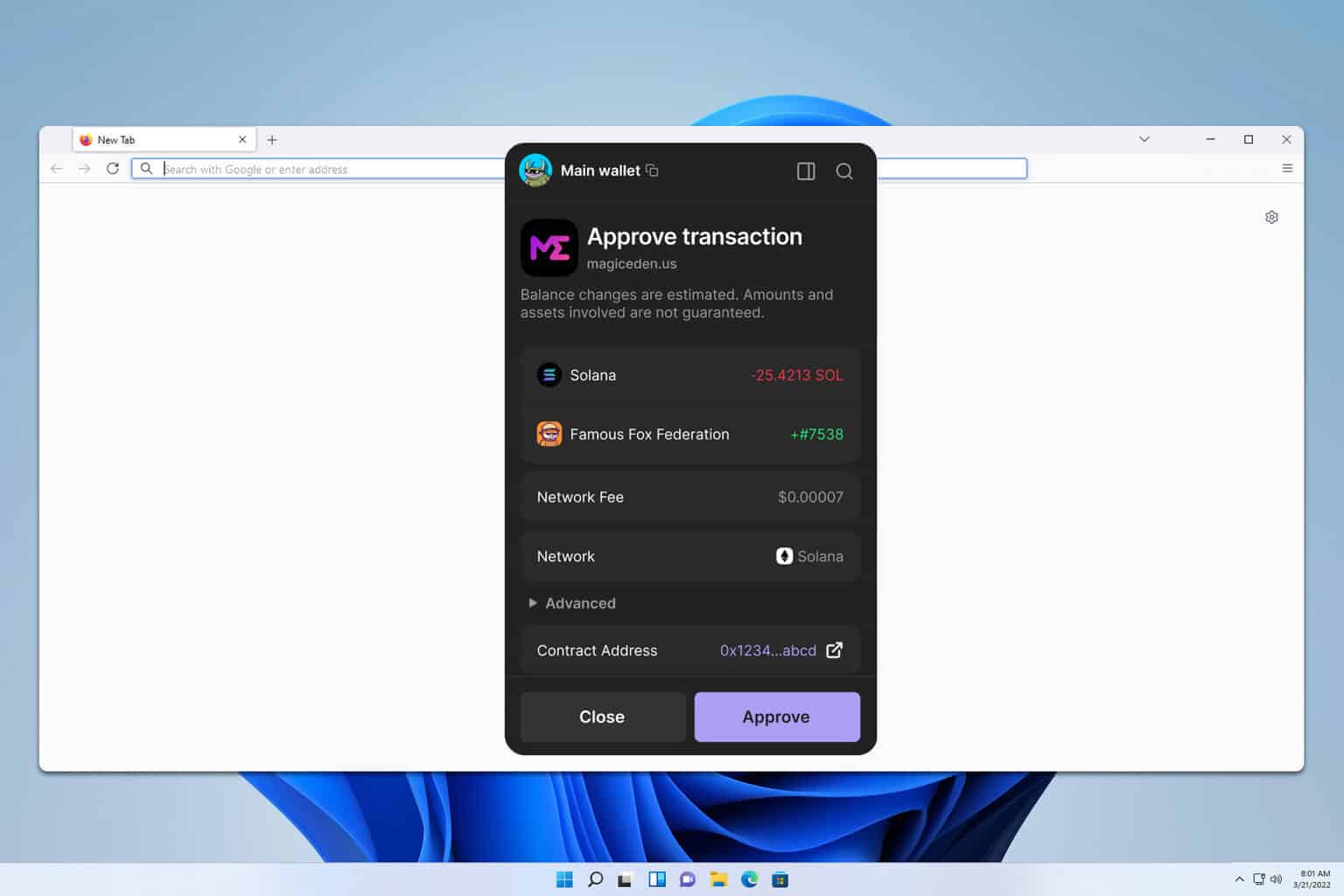
Hmm, an aside... I prefer wallets that show me fee estimates before I approve a transaction. UI cues that highlight what data a dApp wants to access are critical. There's also the subtlety that some dApps bundle multiple requests into a single signing prompt, which can confuse users who aren't careful and accidentally grant broader permissions than intended, and that complexity should make you pause and double-check before approving. So use the preview, scroll, and read signatures when in doubt.

Whoa, tiny detail alert. Browser wallets can pair with hardware devices for extra safety. The Solana ecosystem supports ledger-like integrations through some extensions. So if you want the convenience of in-browser dApp flow but prefer your signing to happen on a cold device, you can often have both, although setup is more fiddly and you need to keep firmware and extension connectors up to date. That hybrid approach is my go-to for mid-sized portfolios.

Screenshot of solflare wallet extension showing staking dashboard and validator list

Why a trusted extension matters

The solflare wallet extension connects cleanly to most Solana dApps. I've used it to delegate, sign, and review transactions without leaving the browser. In practice the extension gives you account management, staking dashboards, and clear validator info, and when a dApp requests a signature you get an explicit popup that shows precisely which program is being called and what data will be signed, which reduces surprise approvals. Oh, and by the way, the onboarding flow is pretty friendly even for beginners.

Okay, check this out— the extension ecosystem also helps with batching common tasks like claim-and-stake flows, though sometimes dApp UX still assumes power users. The convenience is addictive, and once you get used to approving transactions in-browser you'll move faster, but don't rush. I'm not 100% sure every wallet extension is equally safe, so vet them, read community feedback, and check audit histories. There are trade-offs between convenience and security, always remember.

If you hold large sums, use cold storage and keep a small working balance in-browser. Finally, remember that staking rewards, slashing (rare on Solana), and validator performance all affect your yield, and while Solana's model avoids long lockups, you still need to think about unstaking delays and how compounding rewards are claimed or reinvested for maximum benefits. I recommend a trusted extension, diversified validators, and careful key management.

FAQ

Can I stake directly from a browser extension?

Yes, many modern Solana browser wallets let you delegate to validators without transferring custody; you approve the delegation and your account stays under your control. Just verify validator details and transaction prompts before confirming.

Should I use a hardware wallet with a browser extension?

Often that's the best middleground—use an extension for dApp connectivity and pair it with a hardware device for signing sensitive operations so your private keys never touch an internet-connected computer.

What if a dApp asks for strange permissions?

Pause. Read the request. If it bundles multiple actions or looks off, decline and investigate. Phishing or malicious contracts thrive on rushed approvals, so take your time—really, it's worth it.

Phantom Wallet Extension: A Practical Guide to Using Phantom for DeFi on Solana

Whoa! This whole Solana wallet thing moves fast. For many folks—especially newcomers—Phantom feels like the welcome mat to Solana's DeFi and NFT world, but there are layers to unpack. At first glance it's simple and slick; though actually, there are trade-offs you should know before you click "add extension" or download the mobile app. My take is practical: prioritize security, usability, and future-proofing your setup.

Seriously? Yes. Browser wallet extensions like Phantom act as the bridge between your browser and on-chain apps. They store keys locally (encrypted) and inject a connection to dApps when you approve it. That convenience is massive for on-ramp experiences—no CLI, no node syncing—yet convenience increases your attack surface if you're not careful. So, let's cover what matters: how to get Phantom safely, what the extension does, how it compares with the app, and simple habits that keep your funds safer.

First, a quick reality check. Many people think all wallets are roughly the same. Not true. Some wallets are custodial, others are non-custodial; some are designed for beginners, others for power users. Phantom is a non-custodial wallet focused on Solana. That means you control your seed phrase and private keys. That also means the burden of safety is on you. Hmm... that part trips people up. Somethin' else to note: onboarding is easy, and that can make you very relaxed—dangerously relaxed—if you don't follow basic safety steps.

Screenshot style illustration of Phantom browser extension UI showing balances and dApp connection

Where to download and how to verify

Okay, so check this out—always use the official source when getting the extension or the app. One official entry point is the phantom wallet, which links to the recommended extension downloads and guidance. Do not install random copies from search results or third-party sites; impostor extensions and fake apps are common. If a store page looks sparse, has few reviews, or asks for unusual permissions—pause. Initially I thought browser stores would weed out scams, but the ecosystem shows they don't catch everything.

When you install, the flow usually asks to create a new wallet or restore one via seed phrase. Write down the seed phrase on paper. Seriously—paper. Not a screenshot, not a cloud note, not an email draft. A hardware wallet is even better if you plan to hold significant value. On one hand, keeping everything in a browser is fine for small, active balances; on the other hand, long-term savings deserve a stronger layer like cold storage or a hardware signer.

How the extension works in practice: it handles transaction signing, stores token metadata, and interacts with dApps via a permission pop-up. Approve only what you expect. If a dApp asks for signing that doesn't match your action—stop. Ask questions. On the Solana side, transaction fees are low, so you might see many microtransactions and approvals; keep an eye on what you're approving. I'm biased toward caution here—this part bugs me—since one careless click can give a malicious program recurring access to your wallet.

Let's talk about the Phantom app versus the extension. The app brings convenience—mobile access, push notifications, and built-in swaps. The extension is better for desktop dApp interaction. Many users run both: the extension for desktop trading and the app for on-the-go checks. There's cross-device risk though; syncing via seed phrase exposes you to the same vulnerabilities across platforms. If you use both, treat the seed phrase like a master key and consider compartmentalizing funds—keep only what you need for active trading in the extension or app, move the rest to a hardware wallet or cold storage.

DeFi on Solana is attractive because it's fast and cheap; yet DeFi is permissionless and experimental. Smart contracts can have bugs, and rug-pulls still happen. Look at token contract audits, but remember audits aren't guarantees. On one hand, audits reduce some risk; on the other hand, they can create a false sense of security. A pragmatic habit: interact with small amounts first, then scale up once you’re sure the dApp behaves as expected.

There are a few practical settings and habits worth adopting. Enable the extension's lock-on-inactivity and set a strong password. Use unique passwords across services and pair them with a password manager. Consider using a hardware wallet for signing large transactions—Phantom supports Ledger. Oh, and by the way, regularly review connected sites in the extension and revoke access you no longer need. These are small tasks that cut exposure significantly.

Transaction approval dialogs deserve attention. They show the instruction types and amounts—read them. Many scams rely on social engineering, asking you to sign something that looks harmless but includes an instruction to transfer tokens or approve spending for an unlimited allowance. If you see "Approve" followed by language about delegated spending or unlimited approval, treat it as a red flag and research the dApp thoroughly.

Deeper dive: privacy and metadata. Browser extensions can leak some metadata: which sites you visit, approximate patterns, and timing. Phantom aims to minimize data collection, but your behavior still reveals information. If privacy matters to you, mix strategies: use dedicated browser profiles (or dedicated browsers) for crypto activities, clear caches, and avoid linking personally identifying accounts (email, social) to your wallet identity unless necessary. I'm not 100% sure about all the edge-cases, but these steps reduce obvious correlation risks.

Support and community: Phantom maintains social channels and documentation. Community forums can be helpful for troubleshooting but treat advice with skepticism—anyone can post. If a solution involves sharing your seed phrase, that's wrong. Never share it. If a support agent asks for your private key or seed to fix something, it's a scam. Pause. Step away. Ask for help from verified channels—official docs or the in-app help links.

Finally, think about long-term access recovery. If you pass away or lose devices, who can access your assets? Planning for heirs or contingencies means thoughtful seed phrase custody: multi-signature setups for teams, or secure inheritance plans for individuals. This is less glamorous, but for real value it matters. It’s the behind-the-scenes governance that separates hobby-level setups from responsibly managed holdings.

Common questions (FAQ)

Can I trust the Phantom extension?

Trust is relative. Phantom is widely used and respected in the Solana ecosystem, but trust should be earned through careful use. Use official download links, enable security features, and pair with hardware wallets for significant balances.

What's the difference between the Phantom app and extension?

The extension integrates with desktop dApps; the mobile app offers on-the-go management and swaps. Both hold your private keys locally. Choose the one that matches your workflow, and consider using both sparingly with compartmentalized funds.

How do I recover my wallet if I lose my device?

Recovery uses the seed phrase you wrote down during setup. That phrase is the single point of recovery—store it offline and securely. If you lose it, there's no central authority that can restore your wallet for you.

571124363_803538865620686_1300838352104137974_n

देउसी भैलो कार्यक्रम

हार्दिक धन्यवाद 🙏

रिजउड नेपाली सोसाइटी द्वारा नेपालीहरुको महान चाड तिहारको उपलक्ष्य आयोजना गरेको देउसी भैलो कार्यक्रम को माध्यमबाट बिभिन्न संघ संस्था तथा ब्यक्तिगत दाता जीउहरुलाइ हार्दिक आभार सहित धन्यवाद दिन चाहान्छौ हजुरहरुको अ्मुल्य समय र महत्वपुर्ण दान रकमले हामीलाइ मन्दिर निर्माण कार्य सम्पन्न गर्न सहयोग भयको कुराको जानकारी गराउदै तपाईं लगायत सम्पुर्ण दाताहरुको रकम तपसिल बम्मोजिमको रहेको र उक्त रकम तपाईं हरुले पहिले दियको दान रकमा जोडियर अभिलेख राखिने कुराको जानकारी गराउदै रिजउड नेपाली सोसाइटी को तर्फबाट हजुरहरुलाइ हार्दिक धन्यबाद ब्यक्त गर्दछौ 🙏

सत्यराज पाण्डेय राजेश भट्ट

कार्यक्रम संयोजक अध्यक्ष (RNS)

Uniswap-Logo.jpg

Why swap UX, dApp browsers, and yield farming make or break a self-custody wallet

Okay, so check this out—I've been noodling on wallets for years now, and there's a weird pattern that keeps popping up. Wow! The wallets that feel slick aren't always the ones that keep your keys safest. My instinct said early on that convenience and custody were at odds. Initially I thought a polished UI would win users every time, but then I noticed that people who trade on DEXes daily want both speed and control, and that changed how I evaluate wallet design.

Here's the thing. Seriously? Users come for swaps, they stay for convenience, and they leave if the whole flow is clunky. Short swaps feel magical when gas is low and slippage is predictable. Long, convoluted steps kill momentum. On the one hand a wallet needs an integrated swap function to compete; on the other hand, that very integration expands the attack surface. Actually, wait—let me rephrase that: integration helps adoption but raises risk unless the dApp browser and approval UX are built tightly.

Let me share a quick scene. I was at a coffee shop in Brooklyn, laptop open, juggling a small LP, and a swap popped up that would have nuked half my position if I’d accepted blindly. Hmm... my first impression was panic. Something felt off about the approval screen—too vague, too many permissions, and the slippage slider buried. I tapped out. That moment sticks with me because it's where product design intersects with user safety.

Screenshot-style illustration of a wallet swap interface with gas fees and slippage highlighted

Swap functionality: fast UX, clearer signals

Most folks think a swap is just token A for token B. That's the surface. But under it, you've got quoting sources, routing, gas estimation, slippage protection, and optional price impact warnings. Short sentence. Medium sentence that explains a bit more. Long sentence that ties it all together and explains why routing across multiple liquidity sources (when done correctly) can shave both cost and time, yet if surfaced poorly it confuses users and leads to mistakes because they can't see the trade-offs among price, gas, and front-running risk.

Good swaps show provenance—where prices came from, how much of the route is on a particular AMM, and what the worst-case execution price looks like. Wow! People trust clarity. They also trust defaults that are sensible, like conservative slippage by default and an obvious "advanced" toggle for custom settings. I'm biased, but that part bugs me when wallets hide the details behind buttons that look like they belong in a settings panel.

Practical tips for swap UX: show the mid-price, display estimated gas and total fiat cost, flag high price impact trades, and allow one-tap approvals for commonly used tokens with explicit scope options. On one hand, one-tap approvals speed things up; though actually they expand permission breadth if misused. So here's a compromise—limited approvals with easy revocation built into the same UI. It keeps the flow smooth, and gives people a fighting chance when they notice somethin' weird.

dApp browser: gatekeeper or convenience layer?

Most wallets ship a dApp browser because it feels like an obvious win—embed the web, and users never need to leave. But embedding increases attack vectors. Short. Medium. Long: if the browser does not clearly show origin, require signature context, and visually separate contract calls from benign site content, users will sign dangerous transactions under UI cues that look safe but are not.

Whoa! I had a day where three sites in a row tried to trick the wallet into approving unlimited token allowances. My brain said "nope". My fingers hesitated. Those moments make you consider design guardrails—like permission previews that show amounts and expiration, or a second confirm step for unlimited approvals. Initially I thought alerts alone would suffice, but then realized users often click through alerts when they're in a hurry, so design must minimize reliance on attention alone.

Good dApp browsers provide: origin-first design (big domain badges), contextual transaction previews (not just "sign this message"), and a clear separation between read-only interactions and state-changing actions. On top of that, offline caching of known safe contracts (community-audited or verified) helps, though that system requires maintenance and can be gamed—so treat it cautiously, and be transparent about what "verified" means.

(oh, and by the way...) a tiny tangent: browser tabs with subtle visual differences matter. A site that looks slightly dimmer when it's trying to perform a dangerous action can save people. Little UX cues win trust over time.

Yield farming: education, risk prompts, and composability

Yield farming is a beautiful mess. People love APY numbers. Short. Yet APY alone is a liar; it rarely captures impermanent loss, harvest tax, or hidden fees. Medium. Longer: so a wallet that surfaces a farming dashboard should show the components of return, include break-even calculations for IL, and give simple simulators for market moves that tear through your position so users can make informed choices.

My instinct said users wanted shiny APYs. Later I realized—most users want predictability and the feeling they can exit without surprises. Hmm... that feeling is crucial. Displaying historical performance is fine, but it's not a guarantee, and the UI should be honest about that. I'm not 100% sure which forecasting model is best, but being transparent about assumptions (volatility, fees, compounding frequency) is non-negotiable.

Another practical thing: composability means transactions often chain. A farm action could require token approval, a deposit, and a staking call. Stack those into a single batched flow only if the wallet shows every step and lets users opt out mid-flow. Otherwise people sign and then wonder why their tokens disappeared into a contract they didn't fully vet. This part bugs me—it's a simple safeguard that many wallets skip.

Reward mechanics are another place to be careful. NFTs or extra governance tokens sound cool, but they can add tax or regulatory complexity, depending on jurisdiction. Keep the UX educational: short explainers, expandable details, and links to on-chain transaction explorers for auditability.

Here's a practical workflow I like: preview farm APY components, require explicit consent for allowances, allow a dry-run (simulate gas and slippage), and show revocation links after the action completes. That last bit is often buried—make it front and center.

Putting it all together: a checklist for wallet teams

Make swaps transparent. Short. Show routing, gas, and price impact. Medium. Warn on unusual approvals and provide clear revocation paths. Long: give the dApp browser origin-first design, contextual transaction previews, and a permissions ledger so users can see what they've granted and undo it without digging through explorers or obscure settings.

I'm biased toward wallets that teach as they transact. Really. A one-line tooltip that explains "unlimited approval" can save someone a late-night exploit headline. My instinct said this was obvious, but many teams deprioritize user education in favor of raw features. That trade-off often costs users later.

Check this out—if you want to try a wallet that balances swap convenience with custody-first thinking, glance over my notes and follow a short walkthrough here. Seriously, it's a practical place to start once you want to test flows without risking keys in a custodial exchange.

FAQ

How should I think about slippage when swapping?

Keep slippage conservative for large trades. Short trades in deep pools can tolerate tighter slippage. Medium: if price impact is >1-2% on a small token pool, consider splitting the trade or using a route optimizer. Long: also consider timing and gas—low gas times reduce MEV pressure, and route optimizers that aggregate liquidity (but are transparent about fees) can net better outcomes.

Is it safe to use a dApp browser in a self-custody wallet?

It's as safe as the wallet's design. Use browsers that emphasize origin, show transaction intent, and limit auto-approvals. Short: avoid blindly signing. Medium: prefer wallets with a permission ledger and easy revocations. Long: nothing replaces careful habit—validate domains, check contract addresses, and keep small test transactions for new dApps.

What are the top UX features for yield farming?

Show APY decomposition, IL simulations, harvest cadence, and explicit permission steps. Short. Medium: include fee and tax flags where possible. Long: enable batched actions but never at the cost of hiding intermediate approvals or destination contracts—those must be visible and cancellable.

How DeFi Prediction Markets Work — A Security-First Comparison for Practical Use

Imagine you have a political bet tied to a US election outcome, a hedging interest in whether a Federal Reserve rate move will happen by September, or an opinion on the next major AI release. You want a place where market prices can express collective belief, where you can enter or exit positions fast, and where settlement doesn’t depend on trusting a single operator. That concrete choice—between custodial sportsbooks, centralized exchanges with prediction products, and fully decentralized markets built on blockchain and stablecoins—shapes not only your returns but the risks to your capital, privacy, and legal exposure.

This article compares decentralized prediction markets (exemplified by Polymarket’s design choices) with centralized alternatives, focusing on security, custody, oracle integrity, liquidity mechanics, and regulatory boundaries. The aim is practical: give readers a decision-useful framework to decide which model fits a given purpose and what operational practices reduce risk when trading event-linked assets denominated in USDC.

Polymarket logo; represents a decentralized market where shares are priced and settled in USDC

Core mechanisms that determine security and risk

Start from the mechanics—how does value move and resolve? On platforms like Polymarket all shares are priced, traded, and settled in USDC, a dollar-pegged stablecoin. Each binary pair (Yes/No) is fully collateralized so that the pair collectively represents $1.00 per outcome share. That fully collateralized accounting materially reduces counterparty risk relative to a bookmaker that promises payout without on-chain backing.

But collateralization is only half the story. Settlement depends on oracles: decentralized oracle networks such as Chainlink plus curated data feeds are used to verify outcomes. Oracles translate off-chain facts into on-chain truth; if an oracle is compromised, the entire settlement process is vulnerable. Decentralized oracle design reduces single-point-of-failure risk, yet it does not eliminate coordinated manipulation possibilities on obscure endpoints or ambiguous event definitions.

Liquidity mechanics shape trading risk. Decentralized markets provide continuous liquidity in that traders can buy or sell before resolution. However, low-volume markets exhibit wide bid-ask spreads and slippage. That means your ability to exit positions without moving price depends on available counterparty liquidity. The trade-off is clear: decentralized platforms can offer transparent, on-chain solvency at the cost of variable liquidity in niche markets.

Comparing custody and attack surface: decentralized vs centralized

Custody: centralized exchanges hold user funds in custodial wallets; the operator controls private keys and must be trusted or regulated. DeFi prediction markets typically let users retain custody through wallet-based interactions; funds move on-chain and settlement is automated. From a security perspective, self-custody removes counterparty solvency risk but increases personal operational risk—hardware wallets, seed-phrase safety, and phishing avoidance become the user’s responsibility.

Attack surface: centralized operators face legal and regulatory pressure, internal fraud risk, and traditional cyberattacks on centralized infrastructure. Decentralized platforms shift attack surfaces to smart contracts and oracle feeds. Smart-contract bugs can be exploited at scale; oracle manipulation or feed ambiguity can alter outcomes. A practical rule: the architecture reduces one class of risk (operator insolvency or censorship) while increasing others (contract-level and data integrity risks).

Operational discipline: for decentralized markets, security is as much about governance and protocol design as code correctness. Market resolution policies, dispute windows, and the choice to use multiple oracle aggregators are governance tools that materially change risk profiles. They are not visible to a casual user but determine whether a contested outcome will be settled cleanly or trigger costly, slow human intervention.

Information aggregation, price as probability, and its limits

Prediction markets convert dispersed information into prices: dynamic pricing moves with supply and demand so that a $0.75 share implies an implied 75% probability. This price discovery is powerful because it synthesizes news, expert commentary, and traders’ private signals. Yet prices are only as good as participants and liquidity. In tightly traded political markets with high public visibility, prices track polls and events reliably; in obscure science or niche policy questions, sparse trades can produce noisy probabilities.

Another important limitation is event specification. Precise, unambiguous outcome definitions reduce oracle disputes. Ambiguity is a source of contestation and manipulation: an oracle operator or data feed may interpret a fuzzy question differently than traders expect. Good practice is to prefer markets with tightly defined, verifiable resolution conditions and to avoid markets where evidence is interpretive or behind paywalls.

Regulatory context and practical consequences for US users

Regulatory architecture matters because it alters the legal risk you shoulder. Polymarket operates in a nuanced fashion: Polymarket US is operated by a CFTC-regulated Designated Contract Market (this week’s development), while the broader international platform operates independently and may sit in regulatory gray zones in some jurisdictions. For US users, this split matters operationally: participation on a regulated venue implies different reporting, consumer protections, and restrictions than using an international interface that relies on decentralized mechanisms and stablecoins.

Legal exposure is a practical security issue: funds can be frozen through regulatory action if a centralized operator is compelled; a decentralized protocol reduces that single chokepoint but does not make you immune to enforcement actions on on-ramps, custodial services, or fiat conversion paths. For traders concerned about compliance risk, the right heuristic is to align market choice with your jurisdictional risk tolerance and to accept that decentralization lowers some legal frictions while introducing others.

Decision framework: when to use a decentralized prediction market

Use decentralized prediction markets when your primary concerns are transparency, on-chain solvency, and censorship resistance—for instance, when trading geopolitics or contentious topics where centralized operators might delist markets. Choose centralized venues when you need deep liquidity, lower operational overhead (custody, wallet management), or layers of customer support and legal compliance.

Operational heuristics: 1) Check market liquidity before entering — wide spreads signal execution risk. 2) Prefer markets with unambiguous resolution language and multiple oracle aggregators. 3) Keep trade sizes proportionate to available liquidity to cap slippage. 4) Use hardware wallets or reputable custodial solutions according to your risk appetite—self-custody buys independence but demands better personal security hygiene.

What to watch next: signals that change the calculus

Monitor three trend signals that would materially change trade-offs. First, oracle innovation: stronger decentralized oracle protocols or broader use of cryptographic attestation would lower data-integrity risk. Second, liquidity provisioning mechanisms: if automated market-making models or incentive programs increase depth in niche markets, slippage will fall and prices will become more informative. Third, regulatory clarity: if more jurisdictions clarify whether prediction markets qualify as derivatives or betting, the balance between regulated centralized venues and decentralized platforms will shift.

Each signal has limits: better oracles reduce but do not eliminate manipulation vectors; deeper liquidity can still dry up in crisis conditions; regulatory clarity can increase legal safety for some users while constraining product offerings for others. Watch these signals to update your position sizing and venue selection.

FAQ

How does settlement in USDC affect my counterparty risk?

Settlement in USDC standardizes value and reduces fiat conversion friction. Because Polymarket-style markets are fully collateralized on-chain (each outcome pair sums to $1.00), counterparty solvency is enforced by the protocol rather than by trust in an operator. The residual risk is the stablecoin itself (peg stability, issuer risk) and smart-contract or oracle failures.

How can oracles be attacked, and what protections exist?

Oracles can be targeted by feeding false data, censoring inputs, or exploiting ambiguous event wording. Protections include using decentralized oracle networks that aggregate multiple sources, time-weighted median values, human adjudication windows for contested outcomes, and designing markets with unambiguous, verifiable resolution criteria. None of these is perfect—each reduces some risk while adding complexity or delay.

Is liquidity risk solvable?

Liquidity risk can be mitigated but not eliminated. Market makers, incentives for liquidity providers, and automated market-making curves improve execution quality. However, in low-attention markets or during sudden information shocks, liquidity can vanish or widen dramatically. Manage this by limiting order size relative to displayed depth and by using staggered exit strategies.

Can I propose new markets, and does that change security?

Yes—user-proposed markets are a feature. They democratize market creation but increase the chance of ambiguous or poorly specified markets. From a security standpoint, more markets mean a larger surface for oracle disputes and lower average liquidity per market, so vet proposed market wording and anticipated liquidity before contributing capital.

For readers who trade or teach prediction markets, a final practical step: review market rules, oracle arrangements, and fee structure before placing capital. If you want to explore a live, fully on-chain market that prices outcomes in USDC and uses decentralized oracles, you can examine current markets and mechanics at polymarket. Use the decision heuristics above—liquidity check, resolution clarity, oracle redundancy—to translate curiosity into disciplined risk management.