Why a Browser Wallet Changes the Game for Solana Staking
Whoa, this surprised me. I clicked a browser wallet and things clicked into place quickly. My first impression was messy, but it actually felt intuitive. Initially I thought extensions were just tiny security risks that add clutter, but then I started comparing the trade-offs and realized the convenience often outweighs small, manageable exposures when you use reputable wallets and follow basic safety hygiene. I'm biased, but that shift surprised me a lot.
Seriously, it's true. Browser integration for Solana dApps is smoother than most people expect. Staking from a browser extension feels simple when the UI is clear. There are still pitfalls though, and it's not a one-size-fits-all situation because your threat model, frequency of transactions, and tolerance for third-party software matter a lot, especially if you're holding substantial SOL. So let's talk about how to connect, stake, and keep control.
Hmm... somethin' felt off. Early versions of wallet extensions sometimes exposed users to phishing or sloppy permissions. But modern wallets give fine-grained permission prompts and clear signing steps, which reduces accidental approvals. On one hand extensions insert a new attack surface into your browser, though actually if you use a curated wallet and keep your browser updated, the marginal risk can be made comparable to using a hardware wallet for day-to-day interactions while reserving the cold device for very large holdings. I'll be honest, practice matters more than theory here.
Here's the thing. Choosing a wallet is less about fancy features and more about supported dApps. Developer tooling, extension stability, and community trust are surprisingly big factors. I use certain extensions because they integrate seamlessly with in-browser dApps, allow me to manage multiple accounts, and let me stake or delegate with a few clicks, which makes experimenting with DeFi or NFTs way less painful than moving funds between devices. That convenience, though, means you must pick a strong password and enable OS-level protections, very very important.
Whoa, small wins matter. For Solana staking specifically, the UX has matured fast. Delegation usually takes a couple clicks and doesn't lock your funds, which people often misunderstand. It's important to realize that you retain custody when you delegate on Solana, which differs from some staking models where coins are moved or escrowed, and that difference affects recovery options and security planning if your keys are compromised. Validators matter too, and they are not interchangeable in terms of performance and commission.
Really? Yup, really. Pick a validator with steady uptime and reasonable commission. Look for transparency, on-chain performance metrics, and a small but active community of delegators. If a validator promises unreal returns or pressures you to stake through a specific portal, that's a red flag, because reputable operators live and die by performance and community reputation rather than aggressive recruitment tactics that breed concentration risk. Spread small stakes across validators if you want insurance against downtime.
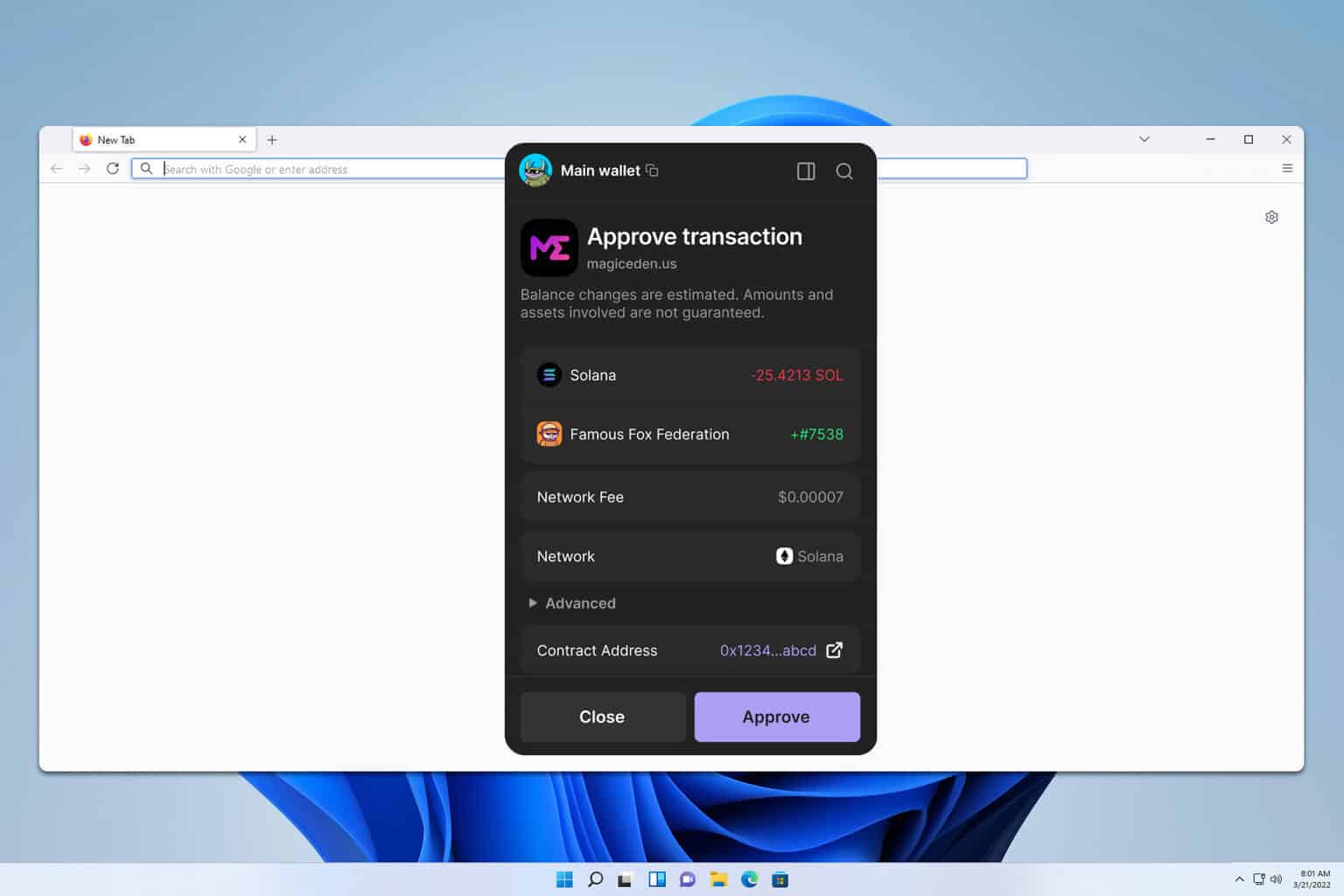
Hmm, an aside... I prefer wallets that show me fee estimates before I approve a transaction. UI cues that highlight what data a dApp wants to access are critical. There's also the subtlety that some dApps bundle multiple requests into a single signing prompt, which can confuse users who aren't careful and accidentally grant broader permissions than intended, and that complexity should make you pause and double-check before approving. So use the preview, scroll, and read signatures when in doubt.
Whoa, tiny detail alert. Browser wallets can pair with hardware devices for extra safety. The Solana ecosystem supports ledger-like integrations through some extensions. So if you want the convenience of in-browser dApp flow but prefer your signing to happen on a cold device, you can often have both, although setup is more fiddly and you need to keep firmware and extension connectors up to date. That hybrid approach is my go-to for mid-sized portfolios.

Why a trusted extension matters
The solflare wallet extension connects cleanly to most Solana dApps. I've used it to delegate, sign, and review transactions without leaving the browser. In practice the extension gives you account management, staking dashboards, and clear validator info, and when a dApp requests a signature you get an explicit popup that shows precisely which program is being called and what data will be signed, which reduces surprise approvals. Oh, and by the way, the onboarding flow is pretty friendly even for beginners.
Okay, check this out— the extension ecosystem also helps with batching common tasks like claim-and-stake flows, though sometimes dApp UX still assumes power users. The convenience is addictive, and once you get used to approving transactions in-browser you'll move faster, but don't rush. I'm not 100% sure every wallet extension is equally safe, so vet them, read community feedback, and check audit histories. There are trade-offs between convenience and security, always remember.
If you hold large sums, use cold storage and keep a small working balance in-browser. Finally, remember that staking rewards, slashing (rare on Solana), and validator performance all affect your yield, and while Solana's model avoids long lockups, you still need to think about unstaking delays and how compounding rewards are claimed or reinvested for maximum benefits. I recommend a trusted extension, diversified validators, and careful key management.
FAQ
Can I stake directly from a browser extension?
Yes, many modern Solana browser wallets let you delegate to validators without transferring custody; you approve the delegation and your account stays under your control. Just verify validator details and transaction prompts before confirming.
Should I use a hardware wallet with a browser extension?
Often that's the best middleground—use an extension for dApp connectivity and pair it with a hardware device for signing sensitive operations so your private keys never touch an internet-connected computer.
What if a dApp asks for strange permissions?
Pause. Read the request. If it bundles multiple actions or looks off, decline and investigate. Phishing or malicious contracts thrive on rushed approvals, so take your time—really, it's worth it.