Phantom Wallet Extension: A Practical Guide to Using Phantom for DeFi on Solana
Whoa! This whole Solana wallet thing moves fast. For many folks—especially newcomers—Phantom feels like the welcome mat to Solana’s DeFi and NFT world, but there are layers to unpack. At first glance it’s simple and slick; though actually, there are trade-offs you should know before you click “add extension” or download the mobile app. My take is practical: prioritize security, usability, and future-proofing your setup.
Seriously? Yes. Browser wallet extensions like Phantom act as the bridge between your browser and on-chain apps. They store keys locally (encrypted) and inject a connection to dApps when you approve it. That convenience is massive for on-ramp experiences—no CLI, no node syncing—yet convenience increases your attack surface if you’re not careful. So, let’s cover what matters: how to get Phantom safely, what the extension does, how it compares with the app, and simple habits that keep your funds safer.
First, a quick reality check. Many people think all wallets are roughly the same. Not true. Some wallets are custodial, others are non-custodial; some are designed for beginners, others for power users. Phantom is a non-custodial wallet focused on Solana. That means you control your seed phrase and private keys. That also means the burden of safety is on you. Hmm… that part trips people up. Somethin’ else to note: onboarding is easy, and that can make you very relaxed—dangerously relaxed—if you don’t follow basic safety steps.
Where to download and how to verify
Okay, so check this out—always use the official source when getting the extension or the app. One official entry point is the phantom wallet, which links to the recommended extension downloads and guidance. Do not install random copies from search results or third-party sites; impostor extensions and fake apps are common. If a store page looks sparse, has few reviews, or asks for unusual permissions—pause. Initially I thought browser stores would weed out scams, but the ecosystem shows they don’t catch everything.
When you install, the flow usually asks to create a new wallet or restore one via seed phrase. Write down the seed phrase on paper. Seriously—paper. Not a screenshot, not a cloud note, not an email draft. A hardware wallet is even better if you plan to hold significant value. On one hand, keeping everything in a browser is fine for small, active balances; on the other hand, long-term savings deserve a stronger layer like cold storage or a hardware signer.
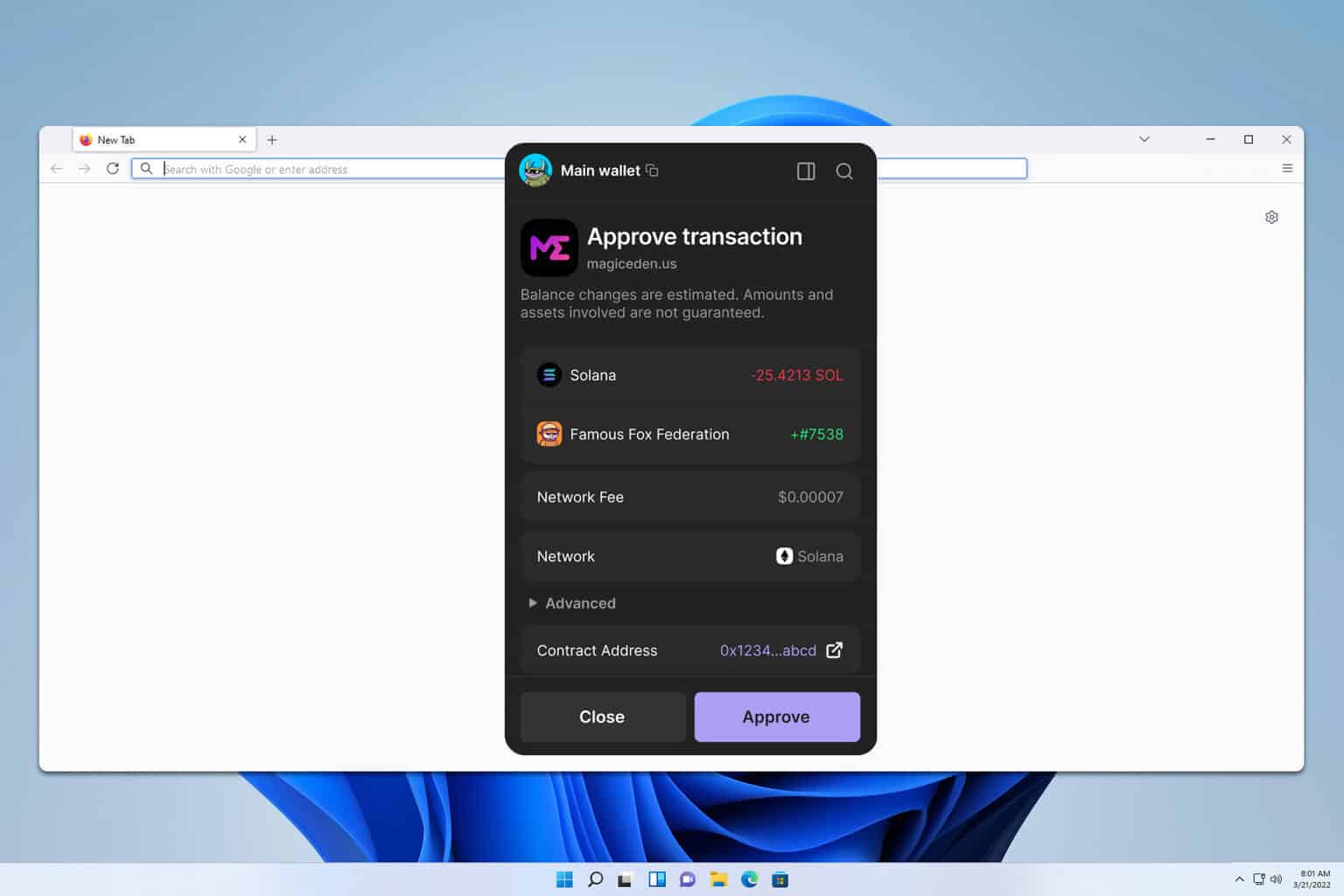
How the extension works in practice: it handles transaction signing, stores token metadata, and interacts with dApps via a permission pop-up. Approve only what you expect. If a dApp asks for signing that doesn’t match your action—stop. Ask questions. On the Solana side, transaction fees are low, so you might see many microtransactions and approvals; keep an eye on what you’re approving. I’m biased toward caution here—this part bugs me—since one careless click can give a malicious program recurring access to your wallet.
Let’s talk about the Phantom app versus the extension. The app brings convenience—mobile access, push notifications, and built-in swaps. The extension is better for desktop dApp interaction. Many users run both: the extension for desktop trading and the app for on-the-go checks. There’s cross-device risk though; syncing via seed phrase exposes you to the same vulnerabilities across platforms. If you use both, treat the seed phrase like a master key and consider compartmentalizing funds—keep only what you need for active trading in the extension or app, move the rest to a hardware wallet or cold storage.
DeFi on Solana is attractive because it’s fast and cheap; yet DeFi is permissionless and experimental. Smart contracts can have bugs, and rug-pulls still happen. Look at token contract audits, but remember audits aren’t guarantees. On one hand, audits reduce some risk; on the other hand, they can create a false sense of security. A pragmatic habit: interact with small amounts first, then scale up once you’re sure the dApp behaves as expected.
There are a few practical settings and habits worth adopting. Enable the extension’s lock-on-inactivity and set a strong password. Use unique passwords across services and pair them with a password manager. Consider using a hardware wallet for signing large transactions—Phantom supports Ledger. Oh, and by the way, regularly review connected sites in the extension and revoke access you no longer need. These are small tasks that cut exposure significantly.
Transaction approval dialogs deserve attention. They show the instruction types and amounts—read them. Many scams rely on social engineering, asking you to sign something that looks harmless but includes an instruction to transfer tokens or approve spending for an unlimited allowance. If you see “Approve” followed by language about delegated spending or unlimited approval, treat it as a red flag and research the dApp thoroughly.
Deeper dive: privacy and metadata. Browser extensions can leak some metadata: which sites you visit, approximate patterns, and timing. Phantom aims to minimize data collection, but your behavior still reveals information. If privacy matters to you, mix strategies: use dedicated browser profiles (or dedicated browsers) for crypto activities, clear caches, and avoid linking personally identifying accounts (email, social) to your wallet identity unless necessary. I’m not 100% sure about all the edge-cases, but these steps reduce obvious correlation risks.
Support and community: Phantom maintains social channels and documentation. Community forums can be helpful for troubleshooting but treat advice with skepticism—anyone can post. If a solution involves sharing your seed phrase, that’s wrong. Never share it. If a support agent asks for your private key or seed to fix something, it’s a scam. Pause. Step away. Ask for help from verified channels—official docs or the in-app help links.
Finally, think about long-term access recovery. If you pass away or lose devices, who can access your assets? Planning for heirs or contingencies means thoughtful seed phrase custody: multi-signature setups for teams, or secure inheritance plans for individuals. This is less glamorous, but for real value it matters. It’s the behind-the-scenes governance that separates hobby-level setups from responsibly managed holdings.
Common questions (FAQ)
Can I trust the Phantom extension?
Trust is relative. Phantom is widely used and respected in the Solana ecosystem, but trust should be earned through careful use. Use official download links, enable security features, and pair with hardware wallets for significant balances.
What’s the difference between the Phantom app and extension?
The extension integrates with desktop dApps; the mobile app offers on-the-go management and swaps. Both hold your private keys locally. Choose the one that matches your workflow, and consider using both sparingly with compartmentalized funds.
How do I recover my wallet if I lose my device?
Recovery uses the seed phrase you wrote down during setup. That phrase is the single point of recovery—store it offline and securely. If you lose it, there’s no central authority that can restore your wallet for you.